

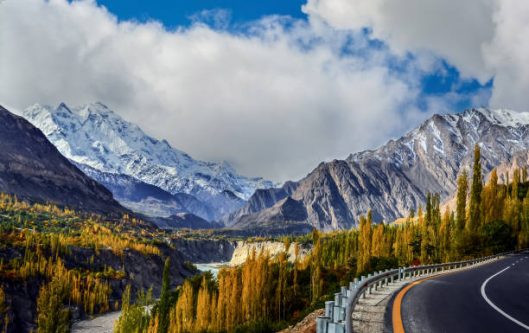
What Makes Hunza Valley Different from Every Other Mountain Destination?
Imagine standing where Alexander the Great’s descendants ruled for nine centuries. Massive glaciers cut through peaks that reach 8,000 meters high. A lake with bright turquoise water appeared overnight in 2010. Tragedy turned into stunning beauty.
That’s Hunza Valley. And it’s nothing like the other mountain spots on your travel list.
Hunza sits in Pakistan’s Gilgit-Baltistan region.Hunza Valley lies between the Karakoram, Himalayas, and Hindu Kush ranges — a rare meeting point of the world’s highest mountains. While tourists flood Nepal and Switzerland, Hunza Valley remains calm and untouched — still holding on to its quiet magic.
Where Is Hunza Valley Located ?
Hunza sits right on the ancient Silk Road. That’s the historic trade route that connected East and West. Today, you reach it through the Karakoram Highway. People call this road the Eighth Wonder of the World.
The highway climbs to 4,800 meters at Khunjerab Pass. That makes it the highest paved international road on Earth.
About 50,000 people live in the valley. Some estimates say over 75,000. Most belong to the Burusho ethnic group. They practice Ismailism under the Aga Khan’s guidance. But geography isn’t what makes Hunza special. It’s the feeling you get when you arrive.
Why does Hunza feel frozen in time?
The Mirs dynasty ruled Hunza for over nine centuries. They ran it as an independent kingdom. These rulers claimed they descended from Alexander the Great himself. They built a culture that mixed Buddhist history with Islamic beliefs. The result was something totally unique.
Walk through Baltit Fort and you’ll see this blend in stone. Traditional Himalayan buildings meet Chinese design. UNESCO recognizes it as a world heritage site. The fort has watched empires come and go. Traders passed through on silk routes. Now the first modern travelers are discovering what locals always knew. This valley holds something sacred.
But here’s what nobody tells you. Hunza is changing. Fast. The Karakoram Highway connected this isolated valley to the world. Tourism grew from a trickle to a steady flow. Climate change is reshaping ancient glaciers. The window to see authentic Hunza is closing.
What Can You Actually Do in Hunza Valley?
Which natural wonders will take your breath away?
Let’s start with Attabad Lake. This story captures Hunza’s spirit perfectly.
In 2010, a huge landslide buried Attabad village. It blocked the Hunza River. Nobody expected what happened next. A 21-kilometer lake formed with impossibly bright turquoise water. Rugged mountains framed it. Disaster became one of Pakistan’s most photographed places.
Today, visitors can take a boat across Attabad Lake, its water so bright and blue it seems unreal. Snowy mountains mirror in the surface, blurring the line between sky and earth. It’s a living reminder that beauty and tragedy often exist side by side.
Then you have the Passu Cones. These jagged, pyramid peaks look like someone designed them with a ruler. They’re not just pretty. They’re geological wonders formed over millions of years. Scientists study these formations to understand mountain building. The colors shift from gray to gold throughout the day.
The Batura Glacier stretches 57 kilometers. It’s one of the longest glaciers outside polar regions. You can trek beside it. You’ll feel the cold breath of ice that’s thousands of years old. But hurry. Climate change is making these glaciers shrink fast. Local guides say the ice melts earlier each year now.
Spring brings its own magic. Apricot trees burst into bloom. White and pink blossoms cover entire mountainsides. The valley celebrates with the Apricot Blossom Festival. Locals perform traditional dances. They serve amazing food and welcome you into their world. The festival shows the community’s connection to nature and each other.
What adventure activities are available here?
Hunza isn’t for people who just want to look. This place demands you participate.
Glacier trekking here is different from regular mountain hikes. Routes toward places like Hispar Muztagh take you through legendary terrain. You walk paths where ancient traders carried silk and spices. Where modern adventurers now chase something money can’t buy. Being present in nature and that’s the real treasure.
The valley sits near K2. That’s 8,611 meters of pure mountain challenge. But you don’t need climbing skills to feel Hunza’s power. Easy hikes through green valleys give you amazing views. No extreme altitude needed. Families can enjoy these trails together.
Ecotourism projects have started in communities like Ghulkin. The local development group restores old houses for guests. These aren’t boring hotels. They’re real experiences. You sleep in centuries-old buildings and eat meals on communal spreads called Dastarkhwan. You wake up to views that photographers travel halfway around the world to capture. This type of travel keeps money in local communities and protects the environment.
When Should You Visit Hunza Valley for the Best Experience?
Hunza’s climate runs on extremes. The region gets minimal rain. Only about 4 inches yearly at lower levels. Southern slopes catch moisture from the Indian Ocean. Northern slopes stay mostly dry. This creates distinct seasons that offer different experiences.
Spring (March-May): Hunza turns into an artist’s dream. Apricot blossoms explode everywhere. White and pink flowers cover stark mountains. Temperatures warm up enough for comfortable hiking. Summer crowds haven’t arrived yet. The Apricot Blossom Festival happens in late March or early April. Villages fill with music, traditional sword dances, and feast preparations. This is perfect timing for first-time visitors.
Summer (June-August): This is peak season for tourists. Weather stays stable and predictable. Trekking routes stay open. The Ginani Festival marks harvest time in early summer. Locals celebrate with songs, dances, and feasts that last for days. Lower elevations get pleasant. Higher areas above 18,700 feet stay freezing even in warm months. Book accommodations early during this season.
Autumn (September-November): Many travelers say this is Hunza’s secret weapon. Summer crowds thin out. Weather stays good. The landscape turns copper, gold, and red. Prices often drop. You’ll have trails mostly to yourself. The air is crisp and clear for photography.
Winter (December-February): Only for the brave. Heavy snow closes routes. Temperatures drop hard. Most tourism places shut down. But if you can handle extreme cold, you’ll see Hunza in its purest state. The mountains are quiet and majestic under snow.
How do you avoid the tourist crowds?
Here’s the insider trick. Visit during shoulder seasons—late spring or early autumn. Stay in traditional villages like Ganish or Altit instead of main tourist zones. Embrace the local rhythm of slow travel. This way you’ll have better interactions with local people.
The Karakoram Highway opened in 1978. That changed everything. Hunza shifted from subsistence farming to a mixed economy. Tourism is part of it now. But over 70% of residents still own tiny farms under 1.2 acres. They keep farming alongside tourism. This means authentic experiences still exist if you know where to look.
How Do You Actually Get to Hunza Valley?
Let’s be honest. Getting to Hunza is half the adventure. Sometimes half the challenge too.
The Karakoram Highway connects Pakistan to China. It climbs to heights that make your ears pop and your breath catch. Literally, at 4,800 meters. Travelers call it the most spectacular road journey on Earth. They’re not wrong. You’ll drive alongside cliff faces where the road looks carved by optimists with more courage than sense.
The highway is generally safe. Gilgit-Baltistan is one of Pakistan’s safest regions. But “safe” and “comfortable” are different things. Landslides sometimes close sections. Weather can shift from clear to dangerous in hours. At those heights, even healthy people might feel altitude sickness. Carry water and rest regularly.
Should you take shared buses or private transport?
Shared buses give you the real Hunza experience. You’ll squeeze in with locals. Different backgrounds, all sharing stories and snacks. The bus navigates hairpin turns. These journeys show unity in diversity. A small version of Hunza’s communal spirit. You’ll make memories that last forever.
But prepare for patience and flexibility. Transport here follows the region’s unhurried rhythm. Delays aren’t exceptions. They’re expected. Schedules exist more as suggestions. Travelers who embrace this find beauty in the journey itself. They engage with surroundings and fellow passengers. They don’t stress about arrival times. This is part of the authentic experience.
Private options—jeep rentals and taxis give you access to remote areas. Places shared transport doesn’t reach. For travelers with limited time or health concerns, these make sense. You navigate winding mountain roads at your pace. Stop for photos whenever views demand it. Which is roughly every three minutes.
What Should You Know About Hunza’s Culture Before Visiting?
Hunza challenges stereotypes about conservative mountain communities. Education programs have reached both men and women. They foster understanding of social inequalities. They break down myths that call inequality religious law.
The results show real change. Women participate actively in community development. Organizations like the Aga Khan Rural Support Programme emphasize inclusive leadership. Youth unemployment affects women at 7.5%. But educational opportunities have opened doors previous generations couldn’t imagine. More women work as teachers, guides, and business owners.
This doesn’t mean Hunza achieved perfect equality. Traditional social structures remain. Society divides into five classes including the thamo (royal family). Parents often arrange marriages. Though couples usually know each other from growing up together. But the direction is clear. Hunza moves toward gender equality faster than many expect.
Which festivals shouldn’t you miss?
Hunza’s festivals are experiences, not shows.
Nowruz (Persian New Year) means renewal and fresh starts. Locals welcome it with bonfires that light the night. Traditional dishes shared among families. Community celebrations that blur lines between host and guest. The greeting “Salam” captures the warmth these celebrations radiate.
The Ginani Festival in early summer marks harvest. It’s not just about crops. It’s about community, continuity, and the land that sustains everyone. Nature’s gratitude made visible through songs, dances, and feasting. Entire villages participate regardless of age.
The Baltit Festival showcases regional culture through lively performances. Traditional sword dances aren’t just entertainment. They tell stories of bravery and unity. They reflect Hunza’s history of independence.
At these events, dining rules matter. Meals are shared on communal spreads called Dastarkhwan. This symbolizes unity and generosity. Using your right hand is standard. It’s seen as respectful and clean. It reflects cultural values. Eye contact and smiles help communication. But interactions between genders follow modesty rules.
How Much Does a Trip to Hunza Valley Really Cost?
Hunza’s economy changed after the Karakoram Highway opened between 1966 and 1978. Subsistence farming diversified. Tourism, small trading, and service jobs emerged. This created different price levels for travelers.
Budget range: Independent travelers can experience Hunza for about $30-50 daily. This covers basic guesthouses, shared transport, local meals, and self-guided exploring. You need flexibility. Travel like locals do. Shared buses, simple rooms, street food. You’ll save money and meet more people.
Mid-range: Expect $75-150 daily for comfortable guesthouses or small hotels. Private transport for some trips. Guided day tours. Meals at local restaurants. This balances comfort with authentic experiences. Most travelers choose this option.
Premium packages: Full-service tours run $150-300+ daily. This includes restored heritage accommodations. Private vehicles with experienced drivers. Complete guided experiences. Premium dining. These packages often include permits for restricted areas. You get the most convenience.
Can you travel Hunza on a budget?
Absolutely. But understand the trade-offs. Only 2% of Hunza’s population counts as seriously poor. Though 19.6% are vulnerable. The local economy depends increasingly on tourism money. Budget travel works. But it needs preparation and respect.
Stay in villages like Ganish where traditional hospitality stays strong. Eat where locals eat. You’ll find apricot dishes unique to the region. Fresh vegetables from small farms. Breads baked in ancient ovens. Shared buses cost a fraction of private vehicles. They offer cultural immersion money can’t buy. Your money goes directly to local families, not big companies.
The real cost of Hunza isn’t in rupees or dollars. It’s measured in openness. Come with curiosity instead of expectations. Hunza reveals itself generously to those who approach with respect.
FAQs
Is Hunza Valley safe for solo travelers?
Yes. Gilgit-Baltistan ranks as one of Pakistan’s safest regions. Crime rates run much lower than urban centers. Solo female travelers should follow local customs for dress and interaction. But they generally report feeling secure and welcomed.
Do I need special permits to visit Hunza?
Most areas don’t need special permits for tourists. But restricted zones near the China border need permissions. Some conservation areas do too. Get these through registered tour operators or local authorities.
What’s the altitude sickness risk in Hunza?
Hunza Valley sits at moderate height—around 2,500 meters. Most people handle this fine. But trekking routes can exceed 5,000 meters. Altitude sickness becomes real there. Acclimatize properly. Stay hydrated. Consider carrying altitude medication.
Can vegetarians find food options in Hunza?
Definitely. The region’s traditional diet includes lots of vegetables, fruits (especially apricots), dairy, and grains. Meat features prominently. But vegetarian options are readily available and often delicious.
What language barriers might I face?
Burushaski is the local language. Urdu serves as Pakistan’s national language. English skills vary. Younger, educated residents often speak English well. Especially in tourism. Learning basic Urdu phrases enhances your experience significantly.
How has climate change affected Hunza?
Glacier retreat is the most visible impact. Traditional water systems relied on stable glaciers. Now meltwater patterns change. Locals shifted from traditional farming to other jobs. Partly due to climate pressures. Summer grazing patterns changed despite more grassland from wetter conditions.